Fall is around the corner. The crisp breeze, the golden leaves, and the pumpkin spice everything – it’s the coziest time of the year. But while you’re enjoying your favorite flannel and hot cider, your home’s plumbing may be quietly bracing for battle. Yes, fall plumbing problems are a thing – and if you’re not careful, they can turn your peaceful autumn into a wet and wild disaster.
From surprise leaks to sneaky pipe blockages, colder temperatures and seasonal transitions bring their own set of plumbing challenges. The good news? A little preparation goes a long way. Let’s walk through how to prevent fall plumbing issues before they sneak up and ruin your fall vibes.
1. Give Your Outdoor Faucets and Hoses Some Love
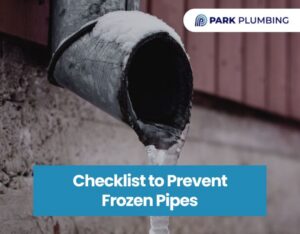
When fall rolls in, it’s time to say goodbye to your outdoor watering needs. Leaving hoses connected and faucets open can lead to frozen pipes when temperatures dip.
What to do
- Disconnect garden hoses and store them inside.
- Shut off outdoor water valves (if your home has them).
- Drain remaining water from exterior faucets.
- Consider installing insulated faucet covers for added protection.
This small step can save you from a big mess – and a frantic call to an emergency plumber in the middle of the night.
2. Clear Those Gutters and Downspouts
We know – climbing up a ladder with gloves and a bucket isn’t the most glamorous way to spend your Saturday. But clogged gutters can lead to water overflow, which may seep into your foundation or basement, causing long-term damage.
Fall Plumbing Tip: Clean out leaves, debris, and gunk from your gutters to ensure water flows freely through your downspouts and away from your home. If not, it can result in unexpected flooding and water pooling where you definitely don’t want it.
3. Insulate Exposed Pipes
Once the temperature drops, your pipes can freeze – especially if they’re in unheated spaces like basements, garages, or crawl spaces.
Here’s how to prevent frozen pipe problems:
- Wrap pipes in foam insulation sleeves.
- Use heat tape on particularly cold-prone sections.
- Seal any gaps or cracks around where pipes enter your home.
Frozen pipes can crack or burst, leading to costly plumbing repair services and major water damage. Preventing this is easier (and cheaper) than fixing it later.
4. Take a Closer Look at Your Water Heater
Your water heater works overtime during fall and winter. Nobody wants to step into a cold shower when it’s 45 degrees outside.
What to check
- Drain and flush the tank to remove sediment buildup.
- Check the pressure relief valve.
- Inspect for rust or corrosion.
- Consider turning up the thermostat slightly (not above 120°F) if your hot water runs lukewarm.
If your heater’s been moaning and groaning, don’t ignore it. It might be time to call in plumbing repair services to inspect or replace it before it completely stops working.
5. Watch for Warning Signs of Sewer Line Issues
Falling leaves are beautiful, but when they sneak into your sewer lines, they can cause major issues. Add in rain and tree roots searching for water, and you’ve got a recipe for clogged or cracked pipes.
Signs to look out for
- Slow drains throughout the house
- Gurgling toilets
- Sewage smells in the yard or basement
These issues can escalate quickly, and you may need an emergency plumber to address a backup or a cracked pipe. If your home is near large trees, consider having a professional inspection to ensure your safety.
6. Test Your Sump Pump (Seriously, Test It!)
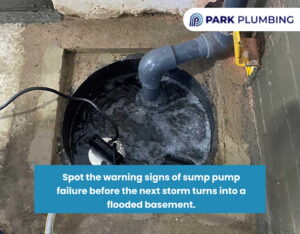
If you have a basement, your sump pump is your best friend during the wet fall season. A non-functioning pump during a rainstorm is like having a boat with holes in it.
How to test it
- Pour a bucket of water into the sump pit.
- Watch to make sure the pump activates and drains the water quickly.
- If it doesn’t kick in, it might need cleaning, repairs, or a replacement.
Don’t skip this step. A working sump pump can prevent thousands of dollars in water damage.
7. Check for Drafts Around Pipes and Plumbing Fixtures
As temperatures drop, drafts can sneak into your home through tiny gaps around plumbing areas. This not only makes your home less efficient but can also cause nearby pipes to freeze.
Quick fixes
- Use weather stripping or caulk to seal gaps.
- Add insulation where needed.
This simple prep can help maintain indoor temps and keep your fall plumbing running smoothly.
8. Stay on Top of Maintenance Before Problems Hit
Fall is the perfect time to take proactive steps. Even if everything seems fine, minor plumbing issues can worsen in colder weather.
For more detailed fall prep advice, be sure to read our blog post: Why Fall Is the Best Time for a Professional Plumbing System Check-Up in Severna Park, MD. It breaks down how regular inspections can help you avoid costly repairs when winter rolls in.
9. Know When to Call the Pros
Let’s be real – some plumbing problems are just too much for even the most ambitious DIYers. Whether it’s a mystery leak, a slow-draining sink, or signs of a backup, don’t hesitate to call in the pros when needed.
Look for plumbing repair services with excellent reviews, emergency availability, and experience in preparing for cold-weather plumbing. Waiting until a minor problem turns into a major emergency is never a good move.
Wrapping It Up: Stay Cozy, Not Clogged This Fall

Fall should be about bonfires, cozy sweaters, and apple picking, not panicked calls to the emergency plumber. With just a bit of prep, you can protect your home from seasonal plumbing surprises and sail into winter stress-free.
At Park Plumbing, we specialize in fall plumbing solutions tailored to your home’s unique needs. Whether it’s preventative maintenance or a last-minute repair, our licensed plumbers are here to help. Contact us today to schedule your fall plumbing check-up – and keep your home warm, dry, and worry-free all season long.
FAQs
1. What are the most common plumbing problems homeowners face in the fall?
Fall often brings issues like clogged gutters, frozen outdoor pipes, malfunctioning water heaters, and root intrusion in sewer lines. Temperature changes, falling leaves, and increased indoor water use can all lead to unexpected plumbing repairs if not addressed early.
2. How can I prevent my pipes from freezing during the colder fall nights?
To prevent frozen pipes, insulate any exposed pipes, especially those in basements, crawl spaces, or along exterior walls. Disconnect outdoor hoses, shut off exterior faucets, and keep your home’s thermostat set to a consistent temperature, even at night, to maintain a safe temperature for your plumbing system.
3. Why is fall a good time to schedule plumbing maintenance?
Fall is ideal because it’s the last chance to prepare your plumbing before winter’s deep freeze. It’s a proactive time to check your system for leaks, flush your water heater, and inspect your sump pump, ensuring everything is in top shape before freezing temperatures hit.
4. What should I do if I notice a sudden drop in water pressure during the fall?
A sudden drop in water pressure can signal anything from a hidden leak to clogged pipes or sediment build-up. It’s essential to contact a professional plumbing repair service promptly to inspect the issue before it worsens and causes water damage or unnecessary resource consumption.
5. When should I call an emergency plumber in the fall?
If you’re dealing with burst pipes, sewage backups, no running water, or serious leaks, don’t wait – call an emergency plumber immediately. Fall plumbing issues can escalate fast due to cooler weather, and quick action can help prevent expensive repairs or property damage.