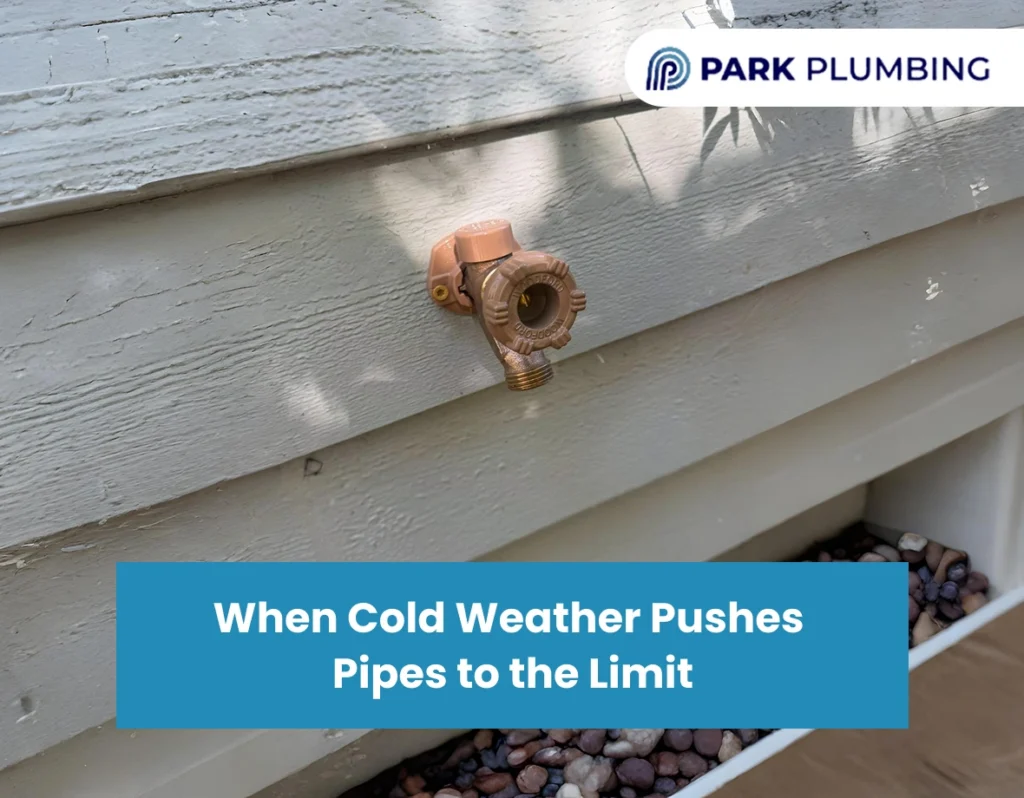
Cold snaps used to be a short-lived inconvenience in Severna Park. Lately, winter seems less predictable, and plumbing systems are feeling the strain. More homeowners are dealing with burst pipes, frozen lines, and unexpected leaks during the colder months. Understanding why these issues are becoming more common can help you protect your home before a small issue turns into a full-blown emergency. At the heart of it all are winter plumbing emergencies and how well your system is prepared to handle freezing temperatures.
Colder weather is lasting longer than it used to
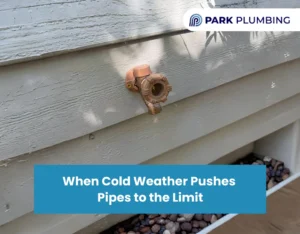
One of the biggest reasons winter plumbing emergencies are on the rise is prolonged cold weather. Pipes are designed to handle a certain amount of cold, but when freezing temperatures stick around for days or weeks, the risk increases. Water sitting in pipes can freeze, expand, and create pressure that leads to cracks or bursts. Even homes that have never had issues before can be affected when cold weather pushes plumbing systems past their limits.
Older homes are more vulnerable
Severna Park has many established neighborhoods with older homes. While these homes have character, they often come with aging plumbing systems. Older pipes may lack modern insulation or be made from materials that are more prone to damage in freezing conditions. When winter plumbing problems show up in these homes, they tend to escalate quickly because the pipes have already experienced years of wear.
Poor insulation plays a major role
Pipes located in crawl spaces, basements, garages, or exterior walls are especially vulnerable during winter. If these areas are poorly insulated, cold air can reach the pipes easily. This makes freezing far more likely, especially overnight. Many homeowners assume their indoor pipes are safe, but a lack of insulation can make even interior plumbing susceptible during extreme cold.
Small issues get ignored until it’s too late
A dripping faucet or slow drain might not seem urgent, especially during busy winter months. However, these minor issues can signal underlying winter plumbing concerns. A small crack in a pipe or a partial blockage can worsen when temperatures drop. Ignoring these warning signs often leads to calls for an emergency plumber that Severna Park residents wish they had contacted sooner.
How to prevent winter plumbing emergencies
Prevention goes a long way when it comes to winter plumbing. Simple steps can make a big difference:
- Insulate exposed pipes, especially in unheated areas.
- Disconnect and drain outdoor hoses before freezing temperatures arrive.
- Let faucets drip slightly during extreme cold to keep water moving.
- Keep cabinet doors open under sinks to allow warm air to circulate.
- Address minor leaks early instead of waiting for colder weather.
Scheduling a seasonal inspection with a trusted plumber in Severna Park can also help identify vulnerable areas before winter causes damage.
When to take action
If you notice reduced water pressure, unusual noises in your pipes, or visible frost on exposed lines, it is time to act. These signs often appear right before a plumbing emergency occurs. Acting early can prevent costly repairs and water damage.
Staying ahead of winter plumbing issues
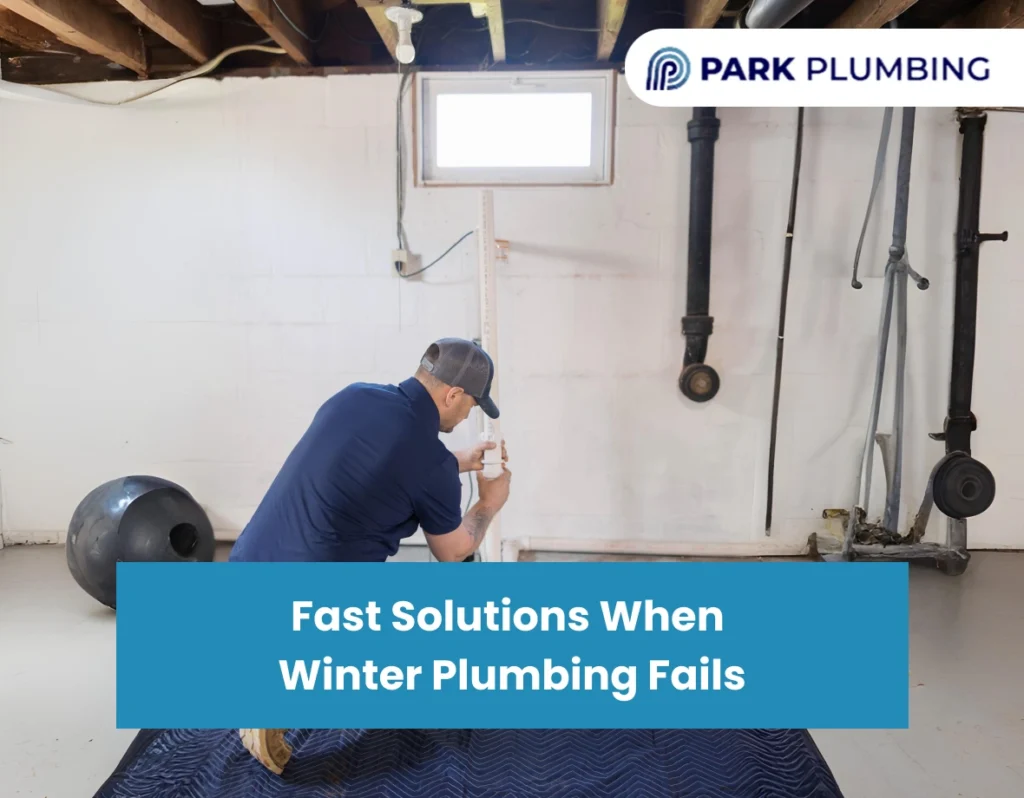
Winter plumbing issues are becoming more common in Severna Park due to longer cold spells, aging homes, and overlooked maintenance. Being proactive can protect your home and give you peace of mind throughout the colder months. When winter emergencies do happen, Park Plumbing offers dependable winter plumbing emergency solutions for Severna Park and nearby areas. If you want to learn more or need help preparing your home for winter, contact us to learn more.
FAQs
1. Why are winter plumbing emergencies becoming more common in Severna Park?
Winter plumbing emergencies are increasing due to longer periods of freezing temperatures and the number of older homes in the area. Extended cold places more stress on pipes, especially those without modern insulation. Over time, this pressure can cause pipes to freeze, crack, or burst, leading to sudden water damage and costly repairs.
2. Which parts of a home are most at risk for winter plumbing problems?
Pipes located in unheated areas such as crawl spaces, basements, garages, and exterior walls face the highest risk during winter. These areas are more exposed to cold air, making freezing more likely. Homes with older plumbing systems or poor insulation tend to experience winter plumbing problems more frequently.
3. What are the early warning signs of a winter plumbing issue?
Early signs include reduced water pressure, unusual noises like banging or whistling in pipes, slow drainage, and visible frost on exposed pipes. A dripping faucet can also indicate pressure buildup caused by freezing water. Catching these signs early helps prevent larger plumbing emergencies.
4. How can homeowners reduce the risk of frozen or burst pipes?
Simple preventive steps make a big difference. Insulating exposed pipes, disconnecting outdoor hoses, and allowing faucets to drip during extreme cold help keep water moving. Keeping indoor temperatures consistent and opening cabinet doors under sinks can also protect pipes during winter plumbing conditions.
5. When should a homeowner call for professional help during winter?
If you notice signs of freezing, water leaks, or a sudden drop in water pressure, it is best to call for help immediately. Waiting too long can turn a manageable issue into a major repair. Acting quickly during winter plumbing emergencies helps limit damage and restore normal water flow sooner.