When you turn on your faucet for a glass of water, you probably don’t give a second thought to what’s coming out. You just expect it to be clean and safe. But did you know there’s something working quietly behind the scenes to keep it that way? It’s called backflow prevention, and it plays a huge role in protecting the water you and your family use every day.
Let’s break down why it matters, how it works, and what you can do to make sure your water stays safe.
What is Backflow, Anyway?
Before we dive into backflow prevention, let’s talk about backflow itself. Backflow happens when water flows in the opposite direction it’s supposed to. Instead of clean water moving from the city’s supply into your home, contaminated water from places like your garden hose, washing machine, or even sewer line could get sucked back into the clean water supply.
It usually occurs due to a sudden change in pressure, such as when a water main breaks or firefighters use a hydrant down the street. Without proper safeguards, that drop in pressure can pull dirty water into the system. Not exactly what you want ending up in your morning cup of coffee!
Why Backflow Prevention is So Important
Backflow isn’t just unpleasant – it can be downright dangerous. Contaminants such as pesticides, fertilizers, bacteria, or chemicals can easily enter your drinking water. That can lead to serious health risks for you, your family, and even your neighbors.
Backflow prevention devices are designed to stop that from happening. They allow water to flow in only one direction, into your home, and slam shut if the pressure changes, keeping anything nasty from sneaking backward into your clean supply.
It’s a small piece of plumbing technology that does a really big job.
How Backflow Prevention Devices Work
So, how exactly does backflow prevention keep your water safe? There are several types of devices, but most operate using one-way valves. These valves open to let water flow into your home but immediately close if the flow reverses. Some common examples include:
- Air gaps
A simple space between the end of a pipe and the water surface, such as in your sink faucet. If backflow occurs, there’s nowhere for the contaminated water to flow back.
- Pressure vacuum breakers
Often used in irrigation systems, they create a seal that blocks water from moving backward.
- Reduced pressure zone (RPZ) assemblies
More complex systems are usually required for commercial or industrial properties, offering extra protection when hazardous substances are involved.
A licensed plumbing company will know which type is right for your property and ensure it’s installed correctly.
Signs You Might Have a Backflow Issue
Wondering how you’d know if you had a backflow problem? Here are a few telltale signs:
- Water that tastes or smells odd
If your tap water starts tasting earthy, metallic, or just “off,” that’s a big red flag.
- Discolored water
Rusty, yellow, or muddy-looking water may indicate the presence of contaminants.
- Sudden drops in water pressure
While not always a sign of backflow, significant pressure changes can increase the likelihood of it occurring.
If you notice any of these, it’s a good idea to look up an “emergency plumber near me” online right away. Backflow is not something you want to wait on.
Why Annual Backflow Testing Matters
Even if you have a backflow prevention device, it must be tested annually. These devices have moving parts and seals that can wear out over time. If they fail, your water supply is at risk.
Most cities actually require annual inspections to keep your device certified and your water safe. Hiring a qualified plumbing company ensures that testing is done properly and any problems are fixed before they turn into costly (or hazardous) issues.
Other Ways to Protect Your Water Supply
Backflow prevention isn’t the only step you can take. Here are a few other simple ways to help keep your water clean:
- Avoid submerging hoses in buckets, pools, or ponds.
If there’s a sudden pressure drop, water from these sources can siphon back into your home’s supply.
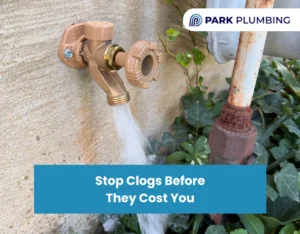
- Install hose bib vacuum breakers.
These are inexpensive add-ons that prevent garden hose backflow.
- Have your plumbing inspected regularly.
Plumbers can detect leaks, corrosion, and potential contamination points before they become serious issues.
How Park Plumbing Can Help
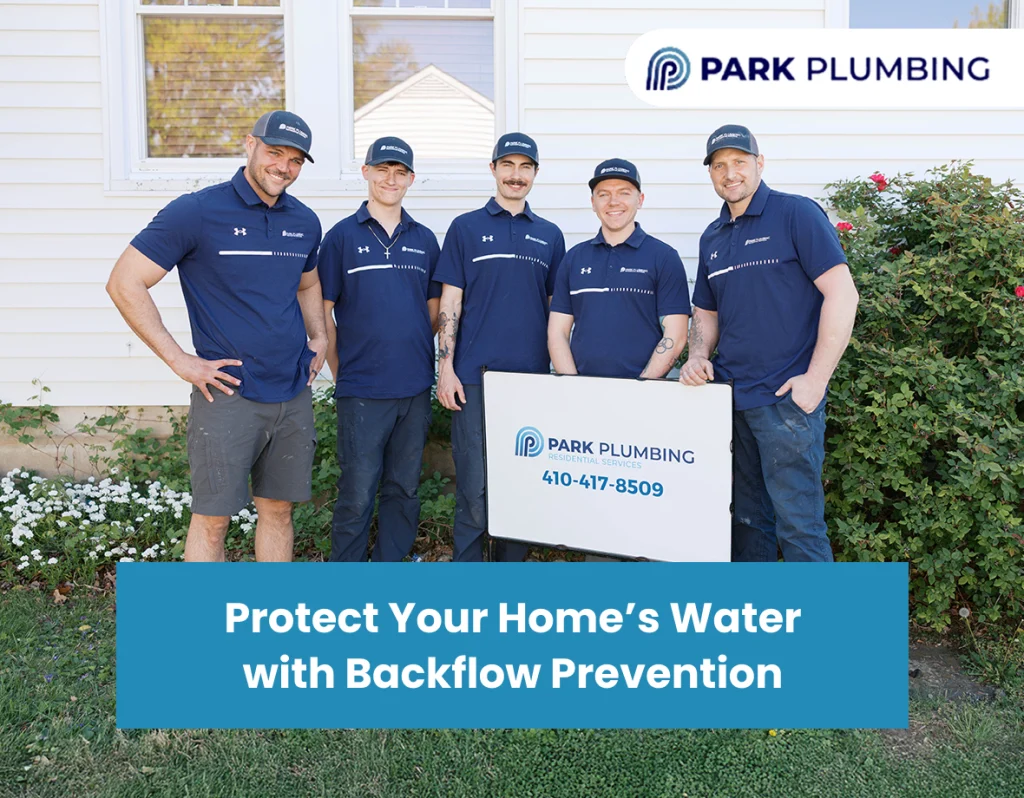
At Park Plumbing, we care about keeping your water safe just as much as you do. Our experienced team knows the ins and outs of backflow prevention, from installing new devices to performing annual inspections and certifications.
But that’s not all we do. We’re a full-service plumbing company offering a range of services from leak repairs and water heater installations to emergency plumbing services.
Your health and peace of mind are our top priorities. We’re local, reliable, and committed to protecting your water supply with the same care we’d want for our own families.
Ready to Safeguard Your Water?
If you’d like to learn more about backflow prevention or any of our trusted plumbing services, we’d be happy to chat. Send us a message today. Park Plumbing is here to keep your water clean, your home safe, and your mind at ease.