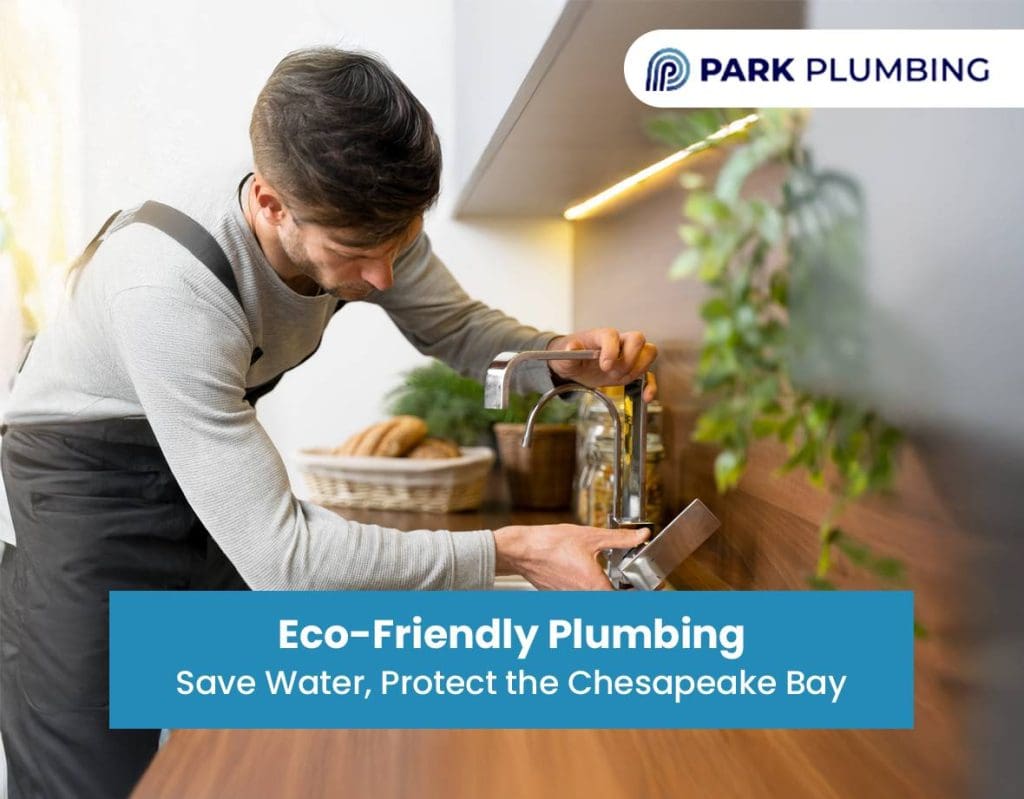
In today’s world, conserving natural resources is more important than ever. While many focus on saving trees or reducing fuel consumption, water conservation is just as vital. Although water is a renewable resource, it still requires careful management. The Chesapeake Bay region may not suffer from water scarcity, but the costs of water treatment and reclamation impact local communities. By adopting eco-friendly plumbing practices, Annapolis residents can help conserve water and reduce these expenses.
Simple Ways to Improve Water Efficiency at Home
Water conservation starts at home. By making small but impactful changes, you can reduce water waste and lower your bills. Here are some practical steps:
Fix Leaky Pipes and Faucets
A dripping faucet or a leaky pipe can waste gallons of water over time, leading to higher utility bills. Addressing these issues promptly can prevent unnecessary water loss and reduce costs.
Repair Running Toilets
A running toilet can waste thousands of gallons of water annually. Fixing this common plumbing issue not only conserves water but also reduces energy expenses related to water treatment.
Schedule Routine Plumbing Maintenance
Regular inspections by a local plumber help prevent emergency repairs and keep your plumbing system functioning efficiently.
Install Low-Flow Fixtures
Low-flow faucets and showerheads can cut water usage by up to 60% without sacrificing performance. These simple upgrades enhance water efficiency while maintaining comfort.
Insulate Pipes and Water Heaters
Proper insulation prevents pipes from freezing in winter and improves energy efficiency by retaining heat in the water supply, reducing the energy needed for heating.
Upgrade to a Tankless Water Heater
Tankless water heaters provide hot water on demand, eliminating the need for a constantly heated water reservoir. This reduces water waste and lowers energy costs.
Implement Smart Plumbing Solutions
Smart plumbing systems monitor water usage in real-time and detect leaks early, preventing costly damage and unnecessary waste.
Water Conservation Rebates for Annapolis Residents
Several rebate programs in the Chesapeake Bay region reward homeowners for implementing eco-friendly plumbing solutions. These include:
Residential Clean Energy Rebate Program
Available to Maryland residents installing solar water heating or geothermal systems, the Clean Energy Rebate helps offset installation costs and promotes sustainable energy use.
WPRF Credit Program
Under this Program, Anne Arundel County offers up to a 60% reduction in Watershed Protection and Restoration Fee assessments for property owners who implement stormwater management solutions.
Rain Garden Rebate Program
Implemented by the government of the District of Columbia and supported by the Alliance for Chesapeake Bay, this Program enables Washington, D.C. homeowners to receive rebates for installing rain gardens designed to reduce stormwater runoff and its environmental impact.
Daily Habits to Reduce Water Usage
Beyond plumbing upgrades, simple lifestyle changes can significantly impact water conservation:
- Use Rainwater for Outdoor Tasks: Collect rainwater for gardening and landscaping to reduce reliance on treated water.
- Check Water Pressure: Excessively high water pressure can damage plumbing, while low pressure affects efficiency.
- Be Mindful of Water Use: Shorten showers, turn off taps while brushing teeth, and run dishwashers and washing machines only when full.
- Use a Water Pitcher: Instead of running the tap for cold water, keep a filled pitcher in the fridge to save water.
Protecting the Chesapeake Bay Through Smart Plumbing Choices
Water efficiency is critical to preserving the Chesapeake Bay’s ecosystem, supporting local industries, and maintaining its natural beauty. Whether you need plumbing maintenance services or want to upgrade to a more sustainable system, Park Plumbing is here to help.
Our expert local plumbers specialize in eco-friendly plumbing solutions tailored to your home. If you’re considering rebates for water-efficient upgrades, we can guide you through the process.
Contact us today for a free consultation and take the first step toward a greener, more water-efficient home!