As winter’s icy grip loosens and the first hints of spring emerge, homeowners breathe a collective sigh of relief—the worst of the cold season is behind us. But before you break out the gardening gloves and patio furniture, there’s an often-overlooked aspect of your home that needs attention: your plumbing system. Those gentle spring showers that nourish your garden can wreak havoc on unprepared pipes, drains, and gutters. After months of freezing temperatures, snow, and ice, your plumbing may be more vulnerable than you realize.
Think of spring plumbing maintenance as your home’s version of spring cleaning—an essential ritual that prevents costly disasters and ensures everything flows smoothly through the rainy season ahead. In this comprehensive guide, we’ll walk you through the critical steps to prepare your home’s plumbing for spring’s inevitable downpours, helping you avoid that panicked call to an emergency plumber when water starts appearing where it shouldn’t.
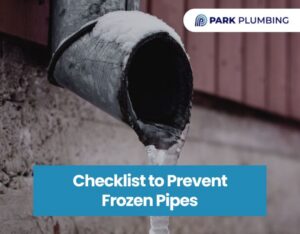
Check Your Gutters and Downspouts
Your gutter system is your home’s first line of defense against spring rainfall. Throughout winter, gutters and downspouts collect debris like leaves, twigs, and even ice dams that can create blockages.
DIY Maintenance Tips:
- Clear all debris from gutters and downspouts
- Check for loose or damaged gutter sections
- Ensure downspouts direct water at least 3-5 feet away from your foundation
- Look for signs of water damage or staining on exterior walls below gutters
- Consider installing gutter guards if debris is a recurring problem
Remember: Properly functioning gutters prevent water from seeping into your foundation, crawlspace, or basement—areas where plumbing damage can be particularly costly and disruptive.
Inspect Your Sump Pump
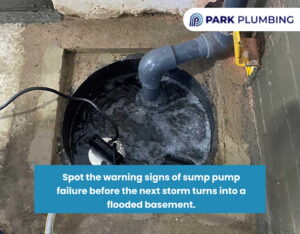
If your home has a basement or lies in a low-lying area, your sump pump might be the most crucial piece of plumbing equipment during spring showers. After sitting dormant through winter, your sump pump needs a thorough servicing before the rainy season hits full force.
Sump Pump Checklist:
- Test the pump by pouring water into the sump pit and ensuring it activates and drains properly
- Clean the pit of any debris, stones, or silt
- Check that the discharge pipe is unobstructed and directs water away from your foundation
- Consider installing a battery backup if you don’t already have one (power outages often coincide with heavy storms)
- Listen for unusual noises during operation that might indicate mechanical issues
A failing sump pump discovered during a heavy downpour represents every homeowner’s nightmare and a guaranteed call to an emergency plumber. Preventive maintenance can save you thousands in potential water damage.
Examine Exterior Faucets and Hose Bibs
Outdoor faucets are particularly vulnerable to winter damage. As temperatures rise, it’s time to check these fixtures for freeze damage and leaks.
Outdoor Faucet Inspection:
- Remove any insulation or covers placed for winter protection
- Turn on each faucet while feeling the pipe inside the house (if accessible)
- Look for leaks, drips, or spraying water
- Check for cracks in the pipes or faucet body
- Run water briefly to clear any rust or sediment
If you discover a leak or crack, address it immediately. Even small drips can waste hundreds of gallons of water and potentially damage your home’s foundation over time.
Clear and Maintain Drainage Systems
Your home’s drainage systems—including yard drains, French drains, and drainage ditches—play a vital role during spring showers.
Drainage Maintenance:
- Remove leaves, sticks, and debris from drain covers
- Flush drainage pipes with a garden hose to clear accumulated sediment
- Check for proper slope away from your home’s foundation
- Ensure drain outlets are unobstructed and flowing freely
- Look for signs of erosion or water pooling that might indicate drainage problems
Poor drainage around your home is one of the leading causes of basement flooding and foundation damage. Taking time to maintain these systems can prevent significant water damage.
Inspect Interior Plumbing for Leaks
Winter’s freezing temperatures can stress indoor pipes, creating small leaks that may worsen during spring’s temperature fluctuations.
Indoor Leak Detection:
- Check under sinks and around toilets for moisture, water stains, or warped materials
- Inspect ceilings and walls for water stains or discoloration
- Test water pressure; sudden drops might indicate a leak somewhere in your system
- Examine pipe joints, particularly in unheated areas like basements or crawlspaces
- Monitor your water bill for unexpected increases, which often signal hidden leaks
Even minor leaks can develop into major problems when combined with heavy spring rainfall that increases hydrostatic pressure around your home. That is why regular leak detection and repair is crucial.
Clean and Maintain Drains
Winter often means slower bacterial activity in your drains, allowing buildup to accumulate. Spring is the perfect time to address this buildup before it causes clogs during heavy rain periods.
Drain Maintenance:
- Use natural cleaners like baking soda and vinegar to freshen and clear slow drains
- Consider having professional drain cleaning for main lines and heavily used drains
- Install drain screens to prevent hair and debris from causing future clogs
- Avoid chemical drain cleaners that can damage pipes, especially in older homes
- Pay special attention to basement floor drains, which are critical during heavy rainfall
Proper drain maintenance reduces the likelihood of backups during spring’s heavier water usage and rainfall.
Check Your Water Heater
Your water heater works harder in winter, making spring an ideal time to perform essential maintenance that extends its lifespan and improves efficiency.
Water Heater Maintenance:
- Flush the tank to remove sediment buildup
- Check the pressure relief valve
- Inspect for signs of corrosion or leaking
- Consider adjusting the temperature down slightly for spring (which saves energy)
- Ensure proper ventilation around the unit
A well-maintained water heater is less likely to fail precisely when you need it most.
How Park Plumbing Can Help
While many plumbing maintenance tasks can be handled by homeowners, some aspects of spring preparation benefit from professional expertise. At Park Plumbing, our certified technicians offer comprehensive spring plumbing maintenance services designed to identify and address potential problems before they turn into emergencies.
Our Spring Plumbing Prep Service includes:
- Complete plumbing system inspection
- Professional drain cleaning and camera inspection
- Sump pump testing and maintenance
- Water heater servicing
- Backflow prevention device testing
- Exterior drainage system evaluation
- Identification of potential problem areas specific to your home
By scheduling a spring plumbing maintenance visit, you’re not just preventing problems—you’re gaining peace of mind knowing your home is ready for whatever weather comes your way.
Proactive Maintenance Prevents Emergency Calls
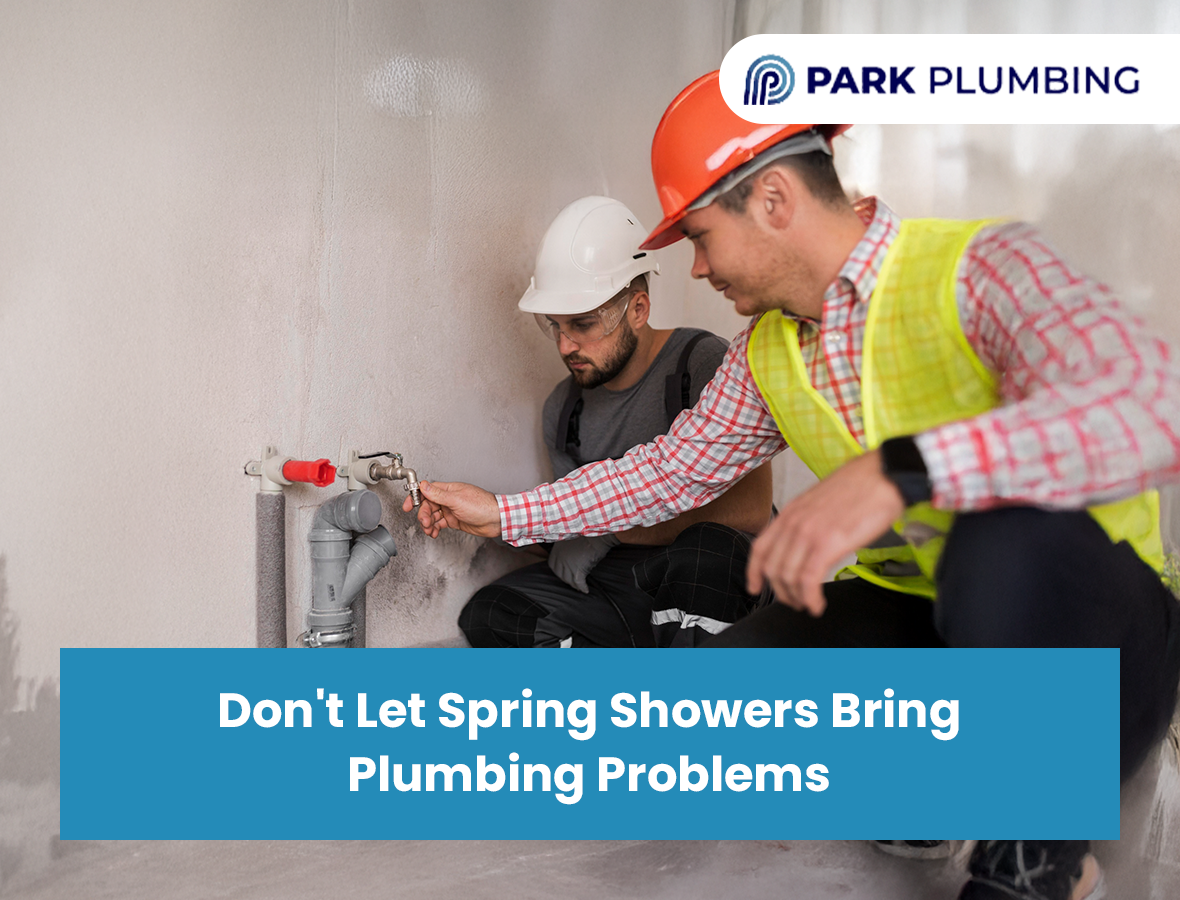
When it comes to plumbing, the old adage “an ounce of prevention is worth a pound of cure” couldn’t be more accurate. The modest investment of time and resources into spring plumbing maintenance pays dividends by preventing the disruption, damage, and expense of plumbing emergencies.
By following the steps outlined in this guide—checking gutters, testing sump pumps, inspecting for leaks, maintaining drains, and scheduling professional assistance when needed—you’re taking a proactive approach to home care that will serve you well beyond just the spring season.
Remember: The goal isn’t just avoiding calls to an emergency plumber (though that’s certainly a benefit). Proper plumbing maintenance preserves your home’s value, reduces water waste, prevents property damage, and ensures your household runs smoothly through spring showers and beyond.
Contact us today to schedule your spring plumbing evaluation and ensure your home stays dry and comfortable all season long.