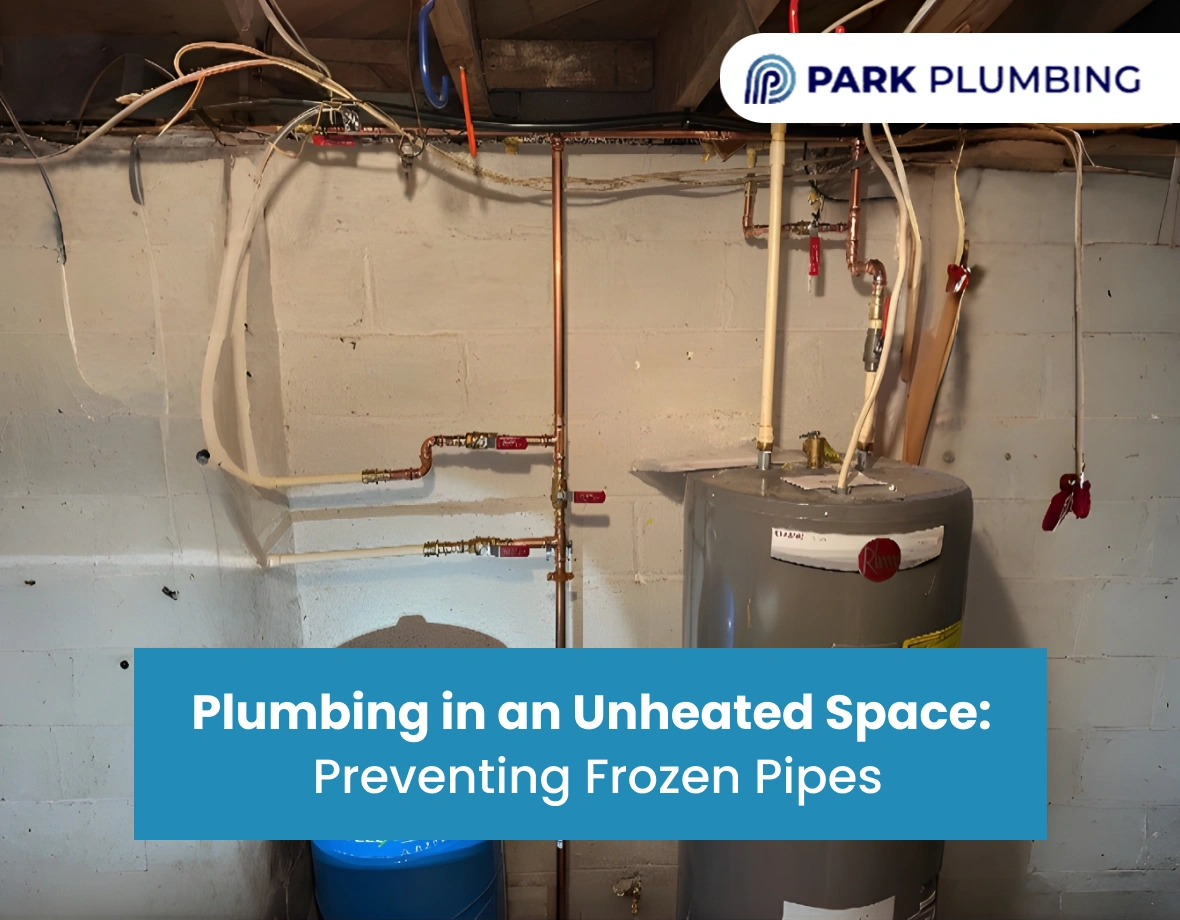
Winter can be beautiful, with snow-covered streets and cozy nights by the fire. But for homeowners, it also poses hidden risks to their plumbing systems. Cold temperatures can freeze pipes, burst lines, and create urgent situations that nobody wants to deal with. Even essential fixtures like your water heater can experience strain when temperatures drop. Understanding how to protect your plumbing during the colder months can save you time, money, and stress. In this guide, we’ll cover practical steps to prevent frozen pipes and avoid costly plumbing emergencies this winter.
Whether you’re searching for an ‘emergency plumber near me’ or ‘reliable plumbing services near me,’ preparing now will help you stay ahead of problems before they start.
Why Pipes Freeze and How It Leads to Emergencies
Water expands as it freezes. When this happens inside your pipes, it can cause cracks or even bursts. Even small leaks from freezing can lead to major water damage, mold growth, and costly repairs.
Certain areas of your home are more vulnerable, such as:
- Pipes in unheated spaces like basements, attics, or crawl spaces
- Outdoor spigots and garden hose connections
- Pipes near exterior walls that receive cold drafts
A single frozen pipe can disrupt water flow to your entire home, creating situations that require immediate attention. Recognizing the risk early is key to preventing a full-blown plumbing emergency.
Signs Your Pipes Might Freeze
Not all frozen pipes make a loud announcement. Sometimes the first signs are subtle:
- Water pressure decreases or stops completely
- Faucets drip slowly, even when turned fully on
- Strange noises like banging or gurgling in your pipes
- Frost forming on exposed pipes
Spotting these early warning signs can give you time to take action, whether that’s gently thawing a pipe or calling a professional before it turns into a burst-pipe scenario.
Practical Steps to Prevent Frozen Pipes
Prevention is always better than dealing with a burst pipe. Here are practical steps every homeowner can take:
1. Insulate Vulnerable Pipes
Use foam sleeves, insulation tape, or even blankets to wrap pipes in basements, attics, or along exterior walls. Keeping them insulated reduces the risk of freezing when temperatures dip.
2. Keep Water Flowing
Running water, even a small trickle, helps prevent pipes from freezing. During extremely cold nights, leave a faucet slightly open in areas where pipes are most at risk of freezing.
3. Seal Drafts and Openings
Check for cold drafts near pipes. Seal gaps around doors, windows, and walls to prevent frigid air from reaching plumbing. Even a small draft can make a big difference in maintaining pipe temperature.
4. Protect Outdoor Spigots
Disconnect hoses and use insulated covers for outdoor faucets. Exposed spigots are among the most common spots for frozen pipes during winter.
5. Maintain a Consistent Home Temperature
Keeping your home heated, even when you are away, prevents pipes from experiencing drastic temperature drops. This also helps your water heater operate more efficiently during winter. Avoid turning off your heat completely, especially in areas with vulnerable plumbing.
Tools and Habits to Keep Pipes Safe
Some simple tools and habits can prevent headaches later:
- Pipe heating cables for extreme conditions
- Thermostats set to maintain steady indoor temperatures
- Routine checks of exposed pipes for frost or ice formation
Making these small adjustments is far easier than cleaning up after a burst pipe or waiting for an ‘emergency plumber near me’ during a winter storm.
Preparing for Unexpected Emergencies
Even with all precautions, emergencies can still happen. Knowing what to do in the first moments can prevent serious damage:
- Turn off the main water valve immediately to stop the flow
- Open faucets to relieve pressure and allow melting water to escape
- Avoid using direct heat, like blowtorches or open flames
- Search for a trusted ‘plumbing service near me’ for professional assistance
Being ready for the unexpected reduces panic and ensures your home recovers quickly.
Additional Winter Tips
Winter preparedness goes beyond just insulating pipes:
- Remove snow and ice from areas around outdoor plumbing
- Keep gutters clear to prevent ice dams that may affect water lines
- Consider scheduling a professional inspection before the coldest months arrive
If you want more tips on winter protection for your plumbing, check out our blog titled Winter Proof Your Pipes – Essential Plumbing Tips for the Cold Months for more insights on the importance of winter-proofing your plumbing system. This guide offers strategies to keep water flowing safely, reduce the risk of freezing, and avoid plumbing emergencies.
Recognizing When to Call a Professional
Knowing when to act is crucial. If you notice persistent slow drains, ice forming inside pipes, or unusual sounds and pressure changes, calling a professional promptly can prevent major damage. Experienced plumbers can assess vulnerable areas, provide targeted insulation solutions, and respond to emergencies quickly and safely.
Protect Your Home and Stay Ahead of Plumbing Emergencies
Winter can be unpredictable, but your plumbing doesn’t have to be. Taking steps like insulating pipes, maintaining steady water flow, and preparing for emergencies ensures you avoid costly repairs and stressful situations. Simple preventive habits go a long way in protecting your home from frozen pipes and water damage. We assist homeowners across Severna Park, Arnold, Annapolis, Crownsville, Bowie, Severn, and nearby communities throughout the winter season.
At Park Plumbing, we specialize in helping homeowners manage frozen pipes and plumbing emergencies in winter. Our team provides expert advice, inspections, and responsive services to keep your home safe and water flowing smoothly. Contact us today to learn more and make sure your plumbing is ready for the cold months ahead.
FAQs
1. What causes pipes to freeze during winter?
Pipes freeze when temperatures drop, and water inside expands. Exposed pipes, unheated areas, and outdoor spigots are most vulnerable. Even a water heater can struggle when temperatures fall sharply. Frozen pipes can burst, leading to costly plumbing emergencies.
2. How can I prevent frozen pipes in my home?
Keep water flowing, insulate vulnerable pipes, seal drafts, maintain consistent indoor temperatures, and protect outdoor spigots. These steps reduce the risk of frozen or burst pipes.
3. What should I do if I notice a frozen pipe?
Turn off the main water valve, open faucets to relieve pressure, avoid open flames or direct heat, and call a trusted ‘plumbing service near me’ for professional assistance.
4. How do I know if I need an emergency plumber?
Persistent slow water flow, ice inside pipes, unusual noises, or pressure changes are signs to call an emergency plumber near me immediately. Prompt action can prevent major water damage.
5. Are there tools to help prevent winter plumbing emergencies?
Yes. Pipe heating cables, foam insulation sleeves, and thermostats that maintain steady temperatures are effective tools to protect your pipes during the cold months.