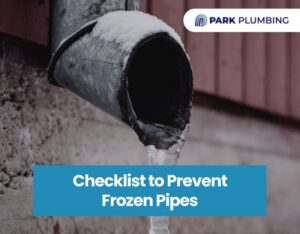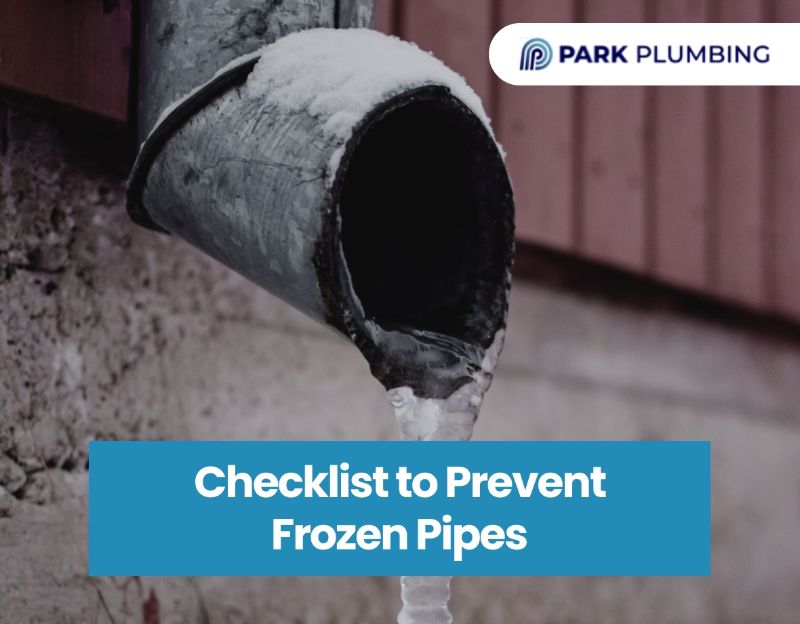
Use this fall plumbing checklist to prevent frozen pipes in Maryland. Outdoor prep, pipe insulation, and when to call an expert.
Start Before the First Hard Freeze
Use this fall plumbing checklist to prevent frozen pipes in Maryland. Outdoor prep, pipe insulation, and when to call an expert.
Start Before the First Hard Freeze
The best time to prevent frozen pipes is a mild fall afternoon, not the night a cold snap arrives. After all, Maryland winters swing.
A stretch of mild days followed by a sudden overnight drop is exactly the pattern that catches pipes off guard, because water sitting still in an exposed line freezes, expands, and can split the pipe before you wake up.
Anne Arundel County plans for real cold. The county’s construction code lists a winter design temperature of 17 degrees and a 30-inch frost line, which is why buried water lines sit deep but the pipes inside your crawl space, garage, and exterior walls still need help.
This checklist covers:
- Outdoor plumbing you should drain and protect now
- Indoor pipes that need insulation and warm air
- How to find and test your main water shutoff
- What to do if a pipe freezes anyway
- Tips on how to prevent frozen pipes
Outdoor Plumbing to Handle First
Outdoor faucets and lines freeze first because they are fully exposed, so start here.
- Disconnect every garden hose, drain it, and store it inside.
- Find the indoor shutoff valve for each outdoor spigot, close it, then open the outside faucet to let the remaining water drain out.
- Add an insulated faucet cover to each hose bib to block cold wind at the wall.
- Have any in-ground irrigation system blown out and shut down for the season.
- Drain and shut off outdoor features like fountains before the first freeze.
If your spigots are older and not frost-free models, this is a good season to ask about an upgrade. Frost-free hose bibs drain themselves behind the wall after you shut the water off, which lowers freeze risk.
Indoor Pipes That Need Protection
Focus your indoor effort on the pipes cold air can actually reach.
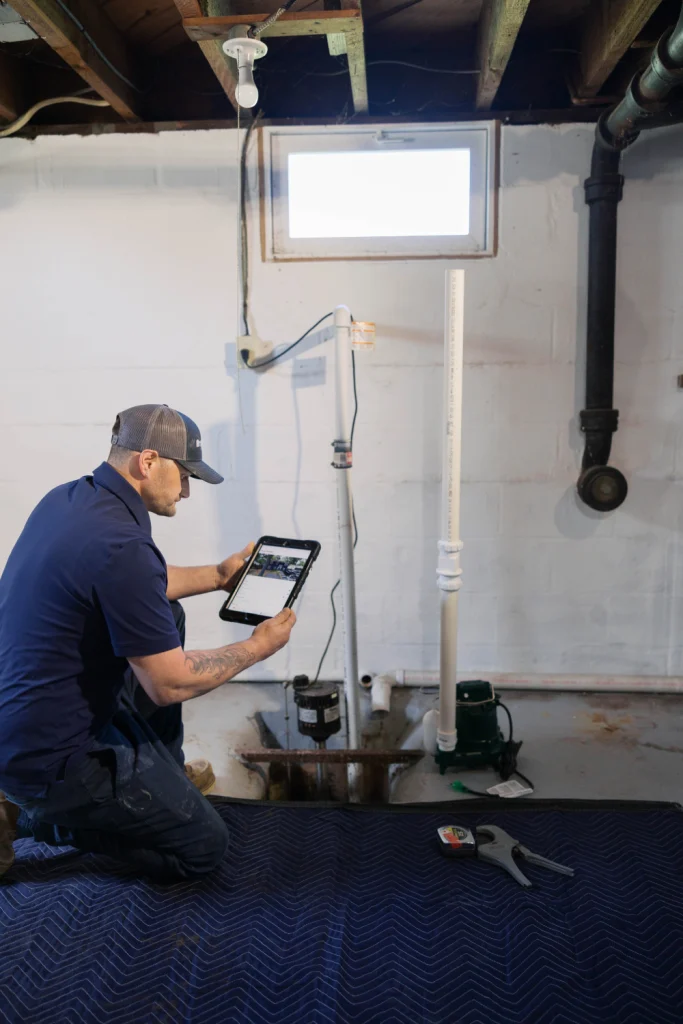
The American Red Cross points to the same vulnerable spots in most homes: pipes in unheated areas like basements, crawl spaces, attics, and garages, and pipes running along exterior walls.
Here is what to do in those areas:
- Wrap exposed pipes with foam pipe sleeves.
- For pipes in the coldest, most exposed spots, ask about UL-listed heat cable.
- It should be installed correctly and plugged into a GFCI outlet, which is a good reason to have a professional handle it.
- Seal drafts near plumbing.
- Keep your garage door closed if water lines run through the garage.
On the coldest nights, open the cabinet doors under kitchen and bathroom sinks so warm room air can reach the pipes on exterior walls. If you store cleaners there, move them out of the reach of children and pets first.
Find and Test Your Main Water Shutoff
Before winter, make sure you can shut the water off fast, because that one valve is what limits the damage when a pipe bursts.
Your main shutoff is often near the water meter or where the main line enters the home. Once you find it, do two things:
- Tag it so anyone in the house can spot it in an emergency.
- Test that it turns. A ball valve usually needs a quarter turn. A gate valve turns clockwise and should move without a fight.
If the valve is stuck, seized, or leaks when you move it, that is worth a call before winter rather than during a flooded basement.
Keep the Heat Steady All Season
Once the checklist is done, a few habits carry your pipes through the cold months.
- Keep your thermostat at 55 degrees or higher, even when you are away or asleep.
- Avoid deep nighttime setbacks during a cold stretch.
- On very cold nights, let the cold water drip from a faucet served by exposed pipes. Running water, even a trickle, helps keep a line from freezing.
- If you travel during winter, either keep the heat on at 55 degrees or higher or have your system professionally drained.
Many insurance policies expect this kind of basic winterization.
What to Do If a Pipe Freezes Anyway
Act fast, but stay calm, because how you respond decides whether this is an inconvenience or a flood.
If you turn on a faucet and only a trickle comes out, suspect a frozen pipe. Likely spots are along exterior walls or where the water line enters through the foundation.
- Keep that faucet open.
- As the ice melts, the water needs somewhere to go, and moving water helps thaw the line.
- Apply gentle heat to the frozen section with a hair dryer, a heating pad, or towels soaked in hot water.
- Work from the faucet end toward the frozen area.
- Never use a blowtorch, a propane or kerosene heater, or any open flame.
- If you cannot reach or thaw the pipe, call a licensed plumber.
If a pipe has already burst, shut off the main water valve right away, then open nearby faucets to drain the system.
Keep people and pets away from standing water near outlets or electrical equipment, and do not wade into water near energized components.
When water is rising, call for 24/7 emergency plumbing assistance rather than trying to reach the pipe yourself.
When to Bring In Park Plumbing
Installing heat cable, swapping in frost-free hose bibs, insulating hard-to-reach runs, and servicing a seized shutoff valve are jobs where a licensed plumber saves you from a bigger winter problem. If you want a professional to confirm your home is winter-ready, a plumbing maintenance visit is the efficient way to catch the vulnerable spots you cannot see.
Park Plumbing is a local, owner-led company serving Anne Arundel County, and seasonal freeze protection is part of our everyday work. If you have already seen the warning signs of a winter problem, our guide on why winter plumbing emergencies rise in the area explains what is driving them.
Same-day appointments may be available, and you can call for 24/7 emergency plumbing assistance when a pipe fails. The cheapest frozen-pipe repair is the one you prevent on a mild fall day.
How to Prevent Frozen Pipes
To prevent frozen pipes, keep cold air away from your water lines and keep water from sitting still in the pipes cold air can reach. Here is the full plan in seven steps:
- Disconnect and drain garden hoses, then close the indoor shutoff for each outdoor spigot and drain the line.
- Cover every hose bib with an insulated faucet cover.
- Insulate exposed pipes in basements, crawl spaces, attics, and garages with foam pipe sleeves.
- Seal drafts where pipes pass through exterior walls and the foundation.
- Keep the thermostat at 55 degrees or higher day and night, including when you travel.
- On the coldest nights, open sink cabinet doors and let a faucet on an exposed line drip.
- Locate, tag, and test your main water shutoff so you can stop the water quickly if a pipe fails.
Where to Start
Start with the outdoor spigots and any pipe you can see in an unheated space, because those lines freeze first. Homes with a crawl space, water lines in the garage, or a kitchen sink on an exterior wall have the most to gain from insulation and draft sealing.
When a Pipe Keeps Freezing
If the same line freezes winter after winter, sleeves and dripping faucets may not be enough. Pipes inside an exterior wall or in a tight crawl space often need added insulation, heat cable, or rerouting.
Frequently Asked Questions About Preventing Frozen Pipes in Maryland
How do you know if your pipes are frozen?
The most common sign is a faucet that gives you only a trickle or no water at all during freezing weather, often while other fixtures in the house still work. Other clues include:
- A toilet that will not refill
- Frost visible on an exposed pipe
- A section of pipe that looks swollen
Check pipes along exterior walls and where the water line enters through the foundation first, since those are the most likely spots. If you notice dripping, a water stain, or a wet spot near the pipe, it may have already cracked. Shut off the main water if you can reach it safely, and call a plumber.
What do you do to avoid frozen pipes in a house?
Work through a short list before hard cold arrives. Disconnect and drain outdoor hoses, shut off and drain exterior spigots, and cover them. If you would rather not handle the outdoor side yourself, outdoor-fixture winterization takes care of it. Insulate exposed pipes in unheated areas like basements, crawl spaces, garages, and attics. Seal drafts near pipe penetrations, keep your heat at 55 degrees or higher, open cabinet doors under sinks on cold nights, and let a vulnerable faucet drip during a hard freeze. Knowing where your main water shutoff is and confirming it works ties the whole plan together.
How many faucets should I drip to prevent freezing?
You do not need to drip every faucet. Focus on the ones fed by pipes along exterior walls or in unheated spaces, since those freeze first. Running a trickle of cold water through those lines during a hard freeze keeps water moving, which is much harder to freeze than standing water. Dripping the faucet farthest from where your water enters the home also helps pull water through more of the system. One or two well-chosen faucets is usually enough.
What do you cover a water pipe with to prevent freezing in winter?
Foam pipe sleeves are the most common and easiest option. They slip over the pipe and seal in place, and they work well on basement, crawl space, and garage runs. For pipes in especially cold or exposed spots, UL-listed heat tape or heat cable adds active warmth and should be installed correctly and plugged into a GFCI outlet. Outdoor spigots take insulated faucet covers. The Red Cross notes that even a quarter inch of wrapped newspaper offers some protection in a pinch, though it is not a substitute for proper insulation.
What temperature should a house be to prevent pipes from freezing?
Keep your home at 55 degrees or higher, even overnight and even when you are away. The American Red Cross recommends holding the same temperature day and night during cold weather and setting the thermostat no lower than 55 degrees before leaving for a trip. A higher heating bill for a few days is far cheaper than repairing a burst pipe and the water damage that follows.
At what temperature do pipes start to freeze in Maryland?
Pipes are most at risk when temperatures hold near 20 degrees or lower for several hours, especially overnight and especially for pipes in exposed or uninsulated areas. Anne Arundel County’s construction code uses a winter design temperature of 17 degrees, so the county plans for cold in this range. Exposed outdoor lines and pipes in unheated spaces can be at risk even before the air hits the coldest readings.
Should I shut off my water if I leave town in winter?
It depends on how long you will be gone and how your home is set up. For a short trip, keeping the heat at 55 degrees or higher is often enough. For a longer absence, shutting off and draining the water system removes the risk entirely, though it may affect a fire-sprinkler system if your home has one. A plumber can help you decide which approach fits your home and set it up correctly.
How do you thaw frozen pipes?
Open the faucet the frozen pipe feeds, then apply gentle heat to the frozen section with one of these:
- A hair dryer
- An electric heating pad
- Towels soaked in hot water
- A portable space heater kept well away from anything flammable
Start near the faucet and work back toward the frozen area, and keep going until full water pressure returns. Then check the other faucets in the house, since one frozen line often means another.
Never use a blowtorch, a propane or kerosene heater, or any open flame, and keep electrical devices away from standing water. If you cannot find the frozen section, cannot reach it, or the pipe will not thaw, call a plumber rather than forcing it. If you cannot find the frozen section, cannot reach it, or the pipe will not thaw, call for emergency plumbing service rather than forcing it.