Fall is that cozy time of year when we trade iced drinks for hot cocoa, and evenings are best spent wrapped in a blanket. But while you’re enjoying the changing leaves, your plumbing system is quietly preparing for a big seasonal shift. The colder months can be tough on pipes, drains, and water heaters, and skipping routine plumbing maintenance now could leave you scrambling for plumbing repair services later.
To save yourself stress (and money), we’ve put together a complete fall plumbing maintenance checklist to protect your home before the cold sets in.
Why Fall Plumbing Maintenance Matters
Think of plumbing like a car. You wouldn’t wait until the engine breaks down in the middle of the highway to give it attention. The same goes for your home’s pipes and fixtures. A little prevention now ensures everything runs smoothly all winter long.
Cold weather is notorious for causing pipes to freeze and burst, drains to clog, and water heaters to overwork. With a few simple steps, you can reduce risks and keep things flowing – literally. That’s where a combination of DIY care and help from residential plumbers comes in.
1. Insulate Exposed Pipes
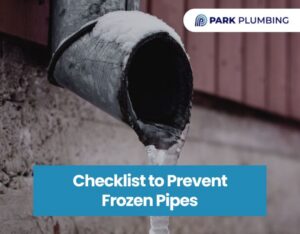
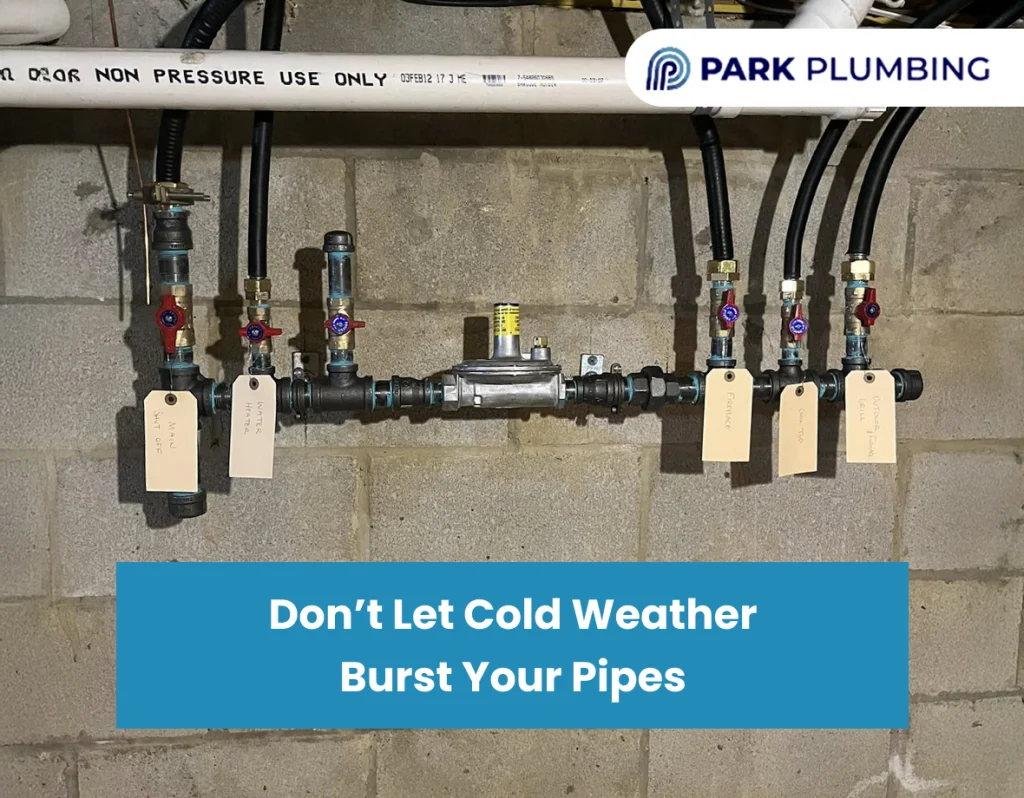
Frozen pipes are one of the most common winter plumbing emergencies. When water inside a pipe freezes, it expands, which can crack the pipe and cause major water damage once it thaws.
Check your basement, attic, crawl spaces, and garage for any exposed pipes. Wrapping them in foam insulation sleeves or even heat tape makes a huge difference. This small, inexpensive step can prevent one of the costliest types of plumbing disasters.
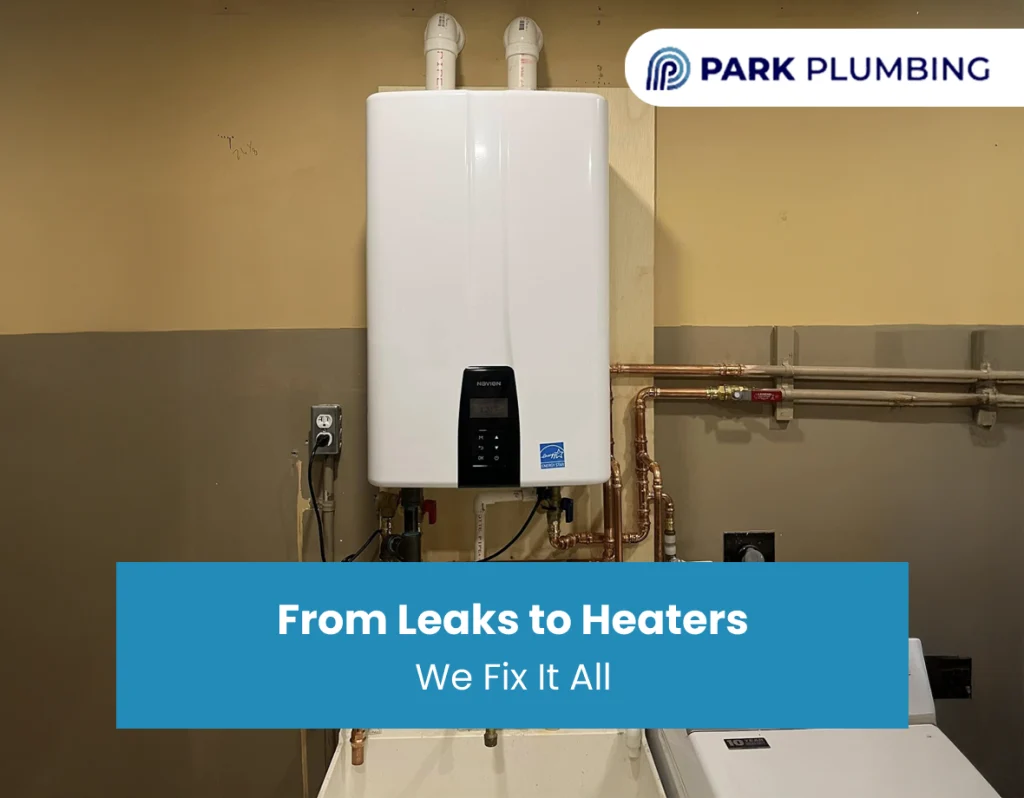
2. Flush and Inspect Your Water Heater
Imagine hopping in the shower on a freezing morning only to be hit with ice-cold water. Not fun. Fall is the perfect time to check your water heater before winter pushes it to its limits.
- Drain a few gallons from the tank to remove sediment buildup.
- Test the pressure relief valve to make sure it’s working.
- Check the thermostat – 120°F is ideal for comfort and energy savings.
If your water heater is older or showing signs of wear, now’s the time to call in plumbing repair services rather than waiting for a full breakdown mid-winter.
3. Clear Out Gutters and Downspouts
This one may not sound like traditional plumbing maintenance, but it’s essential. Clogged gutters can cause water to back up and freeze, leading to roof leaks and foundation issues.
Before the first frost, clear out leaves and debris from your gutters and downspouts. Make sure water is flowing away from your home’s foundation to prevent flooding or ice dams.
4. Check for Leaks – Even the Small Ones
A slow drip may not seem like a big deal, but in colder months, it can waste water, raise your utility bills, and even cause pipes to freeze faster.
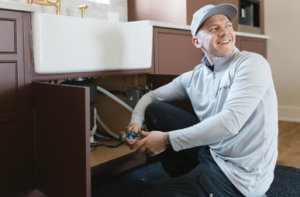
Inspect under sinks, around toilets, and behind appliances. If you notice dampness, rust, or mold, it’s worth calling in residential plumbers to repair leaks before they turn into bigger problems.
5. Test Your Sump Pump
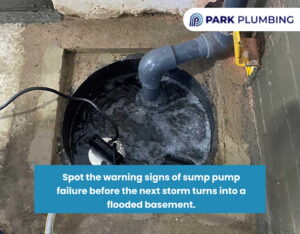
If your home has a basement, a sump pump is your first line of defense against flooding. To test it, pour a bucket of water into the sump pit and watch to see if it kicks on and pumps water out.
If it doesn’t, schedule plumbing repair services right away. A working sump pump can save you thousands in water damage during unexpected fall or winter storms.
6. Protect Outdoor Faucets and Hoses
Leaving hoses attached during freezing temperatures is a recipe for burst pipes. Disconnect all hoses, drain them, and store them in your garage or shed.
Shut off the water supply to outdoor faucets if possible, and use faucet covers to protect them from frost. This quick step keeps your outdoor plumbing safe until spring.
7. Schedule a Sewer Line Inspection
Fall rainstorms can overwhelm older sewer lines, especially if tree roots have made their way into the pipes. Signs of trouble include slow drains, gurgling toilets, or bad odors around drains.
Having residential plumbers run a camera inspection in the fall can catch issues before they turn into sewage backups – a problem no one wants to deal with in freezing weather.
8. Mind the Garbage Disposal During Holidays
Fall is also the holiday season, which means your kitchen is about to get a serious workout. Be mindful of what goes down your garbage disposal – avoid grease, bones, coffee grounds, and fibrous veggies like celery.
Running cold water while using the disposal helps flush waste properly. A quick reminder to houseguests can prevent an after-dinner plumbing emergency that ruins your holiday mood.
9. Check Water Pressure and Drains
Low water pressure or slow drains are often overlooked signs of bigger issues. Fall is a good time to test all faucets and showers and to check that sinks drain quickly.
If you notice anything unusual, calling in plumbing repair services now can help resolve small issues before they become expensive emergencies.
10. Schedule a Professional Plumbing Inspection
Even the best DIY checklist has limits. An annual inspection by residential plumbers ensures nothing is overlooked – from hidden leaks to worn parts in your water heater. Professional inspections give you peace of mind that your home is winter-ready.
Quick DIY Fall Plumbing Checklist
To recap, here’s a quick list you can tackle this season:
- Insulate exposed pipes
- Flush the water heater
- Clean gutters and downspouts
- Check for leaks
- Test sump pump
- Disconnect hoses and protect outdoor faucets
- Inspect sewer lines
- Be careful with garbage disposal use
- Test water pressure and drains
- Schedule a professional inspection
Final Thoughts
Fall is the season of preparation – getting your home ready for the colder months ahead. By following a solid plumbing maintenance checklist now, you can avoid frozen pipes, costly repairs, and unexpected emergencies when winter arrives.
At Park Plumbing, we specialize in helping homeowners protect their plumbing systems year-round. Whether you need a water heater flushed, a sump pump inspected, or a full home plumbing check-up, our team of trusted residential plumbers is here to help. We also offer reliable plumbing repair services for any issues you discover along the way.
Don’t wait until the first freeze catches you off guard. Contact us today to learn more about how we can prepare your plumbing for winter – so you can enjoy the season worry-free.
FAQs
1. Why is fall the best time for plumbing maintenance?
Fall is the transition period before freezing temperatures arrive. By tackling inspections, insulation, and repairs now, you avoid costly winter emergencies like burst pipes, frozen faucets, and overworked water heaters. It’s preventive care that saves money and stress later.
2. How do I know if my pipes need insulation?
Any pipe running through unheated spaces like attics, crawl spaces, garages, or along exterior walls should be insulated. If the pipe feels cold to the touch in fall, it’s at risk of freezing once winter sets in. Foam sleeves or heat tape are inexpensive solutions.
3. Can small leaks really cause major winter problems?
Yes. Even a tiny leak can worsen in freezing temperatures because ice expands inside the pipe. Drips also waste water, increase bills, and can lead to hidden mold growth. Fixing leaks in fall prevents bigger plumbing repair needs in winter.
4. How often should I flush my water heater?
Most residential plumbers recommend flushing your water heater at least once a year. Fall is a great time because your heater will soon be working harder. Flushing removes sediment buildup that reduces efficiency and can shorten the unit’s lifespan.
5. What plumbing maintenance tasks should always be handled by a professional?
While homeowners can insulate pipes, disconnect hoses, and clear gutters, tasks like sewer line inspections, water heater servicing, or diagnosing low water pressure should be left to professionals. Plumbing repair services ensure issues are handled safely and correctly, preventing costly mistakes.